Adding a new room to your home can be a rewarding project that improves the way you live. Whether you need more space for growing family members or want a dedicated home office, a room addition can be the solution.
Unless you are a skilled designer and builder, hiring a design-build remodeling contractor at J&R Construction is often the best option.
1. Consider Your Needs
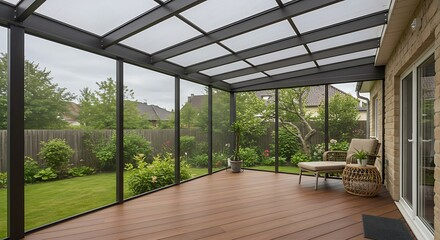
Most homeowners build a room addition to solve a specific problem. Whether you need to accommodate a growing family, create a dedicated home office or space for hobbies, or make over an underutilized dining area, clearly define your core needs from the start. This will help you stay focused as you consider all the options and ensure that your new space delivers on your desired function and lifestyle.
A well-defined goal will also help you determine the scope of your project. Is your goal a modest bump out to add an additional 50 square feet, or a major expansion with a new floorplan and roofline? The answer will influence your budget, timeline and potential hurdles.
You’ll also need to decide on the best location for your new room. Does it make sense to add over an existing garage or basement, for example? This can reduce costs by saving foundation work. Alternatively, do you prefer to build a front or back extension that maximizes sunlight or privacy? Your designer/contractor can help you weigh all these factors.
Finally, think about your tolerance for construction. Many additions are time-consuming, noisy, and disruptive, so factor in a reasonable timeline when you’re developing your plan. For large projects or those in a high-traffic area, you may need to consider temporary living arrangements during certain phases.
While it’s certainly possible to take on a DIY room addition, the vast majority of our clients choose to enlist the expertise of a professional general contractor. This team will be able to provide expert guidance on the scope of work, timelines and costs. Before you select a contractor, ask them about their experience with this type of project and read reviews. Then you’ll be able to confidently move forward with your room addition build. And rest assured, your investment will pay dividends long after you’ve crossed “add room” off the to-do list. Homeowners can recoup up to 80% of the cost in increased resale value, and that’s an attractive return on your investment. It’s why so many homeowners choose to expand their existing homes rather than relocate.
2. Consider Your Budget
Adding a room to your home is a substantial investment. But when done correctly, additions recoup 50% to 80% of their cost in increased resale value. This is especially true for master suites, family rooms and home offices. Having a clear understanding of costs and timelines before beginning your project is essential.
The first step is selecting a contractor with whom you feel comfortable and can work well. Search reviews and ratings online and ask for referrals from friends and neighbors. Look for a licensed general contractor who has built room additions in your area and has experience with your type of home (Eichler-experienced contractors are great!).
Once you have selected a contractor, work with them to develop a budget for your project. Discuss the types of features you want to include and prioritize them based on their necessity for functionality and aesthetics. Creating a list of “Must-Haves” and “Nice-to-Haves” helps you stay within your desired budget by clearly defining where to allocate your money.
For most homeowners, a new room will require plumbing and electrical work, which drives up the total cost of the project. Wherever possible, it is best to tie in these existing lines to save on labor and materials. It is also important to consider the location of your addition. Building over an existing garage, for example, can save on foundation expenses. However, this may make it more challenging to tie in the new space to the home’s exterior.
It’s also important to decide on a desired completion date, and communicate this to your contractor. You might prefer to have the work completed by summer, for instance, so you can use your new room during warm weather. Many top Bay Area builders are able to meet or even exceed these timelines. However, it’s a good idea to build in some flexibility — construction projects rarely go exactly according to plan and unforeseen issues can sometimes delay work. Consider whether you are willing to live in your home during construction, and factor in any temporary living arrangements that may be necessary.
3. Create a Floor Plan
A home addition is a big undertaking, and it requires careful planning. A comprehensive set of construction plans is the critical link between your vision and the final built space, ensuring everyone involved (from contractors to inspectors) understands exactly what needs to be done. A well-designed plan will also help you keep the project on schedule and within budget.
Adding a room to your home is an excellent way to increase your living space and boost long-term property value. It can also be more practical and affordable than buying a new home, especially in the high-cost Bay Area. When you’re ready to add a bedroom, home office, kitchen or bathroom, start by creating a floor plan. A digital tool like RoomSketcher can help you design a new space without the expense of hiring a designer or building a physical prototype. The program has pre-designed layout templates for common spaces, or you can create a custom floor plan from scratch.
It’s important to think about how your family’s needs will change over time as you grow and evolve. For example, a playroom for toddlers could easily become a teen hangout or home office in the future. Similarly, a master suite could be converted into a guest room or an in-law suite to support aging parents. A flexible architectural design that accommodates these potential future needs helps your home adapt to your changing lifestyle while maintaining resale value.
The location of your home addition is also important. A room addition built onto the front of your home will likely impact your street view and privacy, while a garage or sunroom attached to the back of your home can provide more privacy. A good contractor will understand the local zoning laws and be able to advise you about your options.
The cost of a room addition can vary greatly depending on the size, location and complexity of the structure. The most effective way to ensure that your project stays on budget is to choose a contractor with experience in the type of addition you’re building and an impressive track record of completing projects on time and on budget. It’s also important to discuss your desired timeline with the contractor early on, so they can build your project into their work schedule.
4. Schedule Your Design Consultation
Unless you’re skilled in electrical and plumbing, hiring professionals to handle this complex work is highly recommended. Get a quote from several contractors and choose one based on their experience and customer reviews. Ask about their past projects and whether they’ve worked on additions like yours. Then, schedule a design consultation to get started with the building process.
Before you start sketching layouts or browsing Pinterest for inspiration, take a step back and think about why you want to build a room addition. This will help keep you focused throughout the vetting and negotiating stages, and ensure the end result meets your needs. Whether you’re creating an in-law suite for aging parents, carving out a dedicated workspace away from home distractions, or expanding your cramped living space, clearly define the goal of your project so that every decision aligns with it.
In some areas (like San Jose), it can take 1-2+ months to receive building permits for room additions. This timeline can be even longer for more complicated projects or if the city is experiencing a high volume of permit applications. If you’re adding a new bedroom, bathroom, or kitchen, make sure your contractor is well versed in the latest 2022 building codes for your city and county. This will ensure that your addition is safe and code compliant when it’s completed.
Once your plans and budget are finalized, decide when you want the construction to begin. Some homeowners prefer to start in the spring so framing can be done before winter rain delays outdoor work. Others have a specific event they’re trying to accommodate, such as hosting holiday guests or welcoming a newborn in June. Getting all of these details sorted out early can help your contractor develop a feasible timeline that allows you to meet your deadline.
You may also need to consider how your addition will connect to the existing house, including whether you’ll steal a closet from another room or extend an HVAC or plumbing line. Choosing the right “where” can significantly affect costs and the final look of your addition, so it’s worth talking this through with a professional.